- Spring 2026
Pavement Preservation in Urban Environments
Balancing performance, logistics, and public expectations
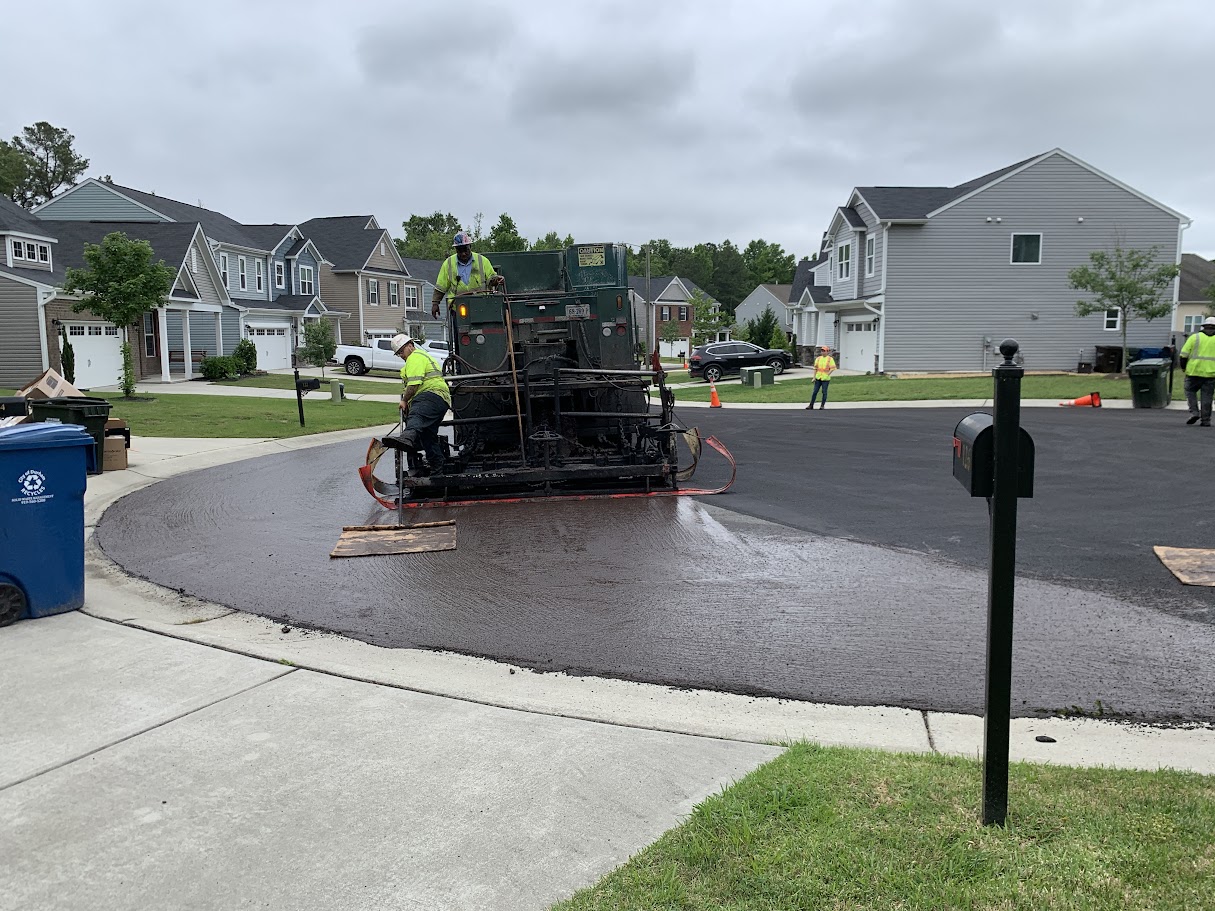
Unique features such as cul-de-sacs add complexity to project logistics
Pavement preservation is widely recognized as one of the most cost effective strategies for extending pavement life and maintaining acceptable levels of service. In urban environments, however, preservation is rarely straightforward.
Dense traffic, constrained geometries, utilities, sidewalks, curb and gutter, transit operations, and nearby businesses all add layers of complexity that go well beyond traditional roadway maintenance.
These challenges have prompted renewed national attention on successfully planning and delivering preservation treatments in cities without sacrificing performance, safety, or public trust.
A Federal Highway Administration sponsored initiative titled Pavement Preservation in Urban Environments: Materials, Technologies, Methods, and Applications is shedding light on these issues. Led by a research team composed of Applied Research Associates (ARA), NCAT, the California Pavement Preservation Center at CSU Chico, and The Transtec Group, the study examined how pavement preservation is being applied in real world urban settings across the country.
Drawing from agency interviews, field observations, and multiple case studies, the effort was designed to provide practical guidance for agencies navigating the technical, logistical, and community-related complexities unique to urban pavement preservation.
Why urban preservation calls for a new approach
One of the clearest findings from this effort is that treatment selection in urban settings must account for more than pavement condition alone. While visual surveys, pavement condition indices, and nondestructive testing remain the foundation of decision making, urban constraints often narrow the range of feasible treatments. High traffic volumes and limited work windows can restrict options with long cure times, while safety considerations, such as temporary friction loss, may limit the use of certain surface treatments on higher speed facilities.
Geometry also plays a role. Cul de sacs, tight intersections, and narrow streets frequently require additional handwork and slower production rates. Public perception must also be considered, especially in residential neighborhoods, where noise, surface texture, and appearance can influence acceptance. Agencies that proactively address these concerns during planning often experience fewer complaints and smoother implementation.
Material selection is equally critical in urban pavement preservation. City streets are subject to frequent stopping, turning, and channelized traffic, which increases shear stresses at intersections, bus stops, and driveways. As a result, many agencies favor abrasion resistant aggregates and polymer modified binders that provide durability while allowing faster reopening to traffic.
In some regions, recycled asphalt pavement (RAP) has become part of the preservation toolbox, particularly where access to high quality virgin aggregate is limited. When properly processed and stored, RAP has been successfully used in chip seals, slurry seals, and micro surfacing applications. At the same time, agencies must balance durability with user comfort, selecting gradations and surface textures that minimize noise and roughness on lower speed urban streets.
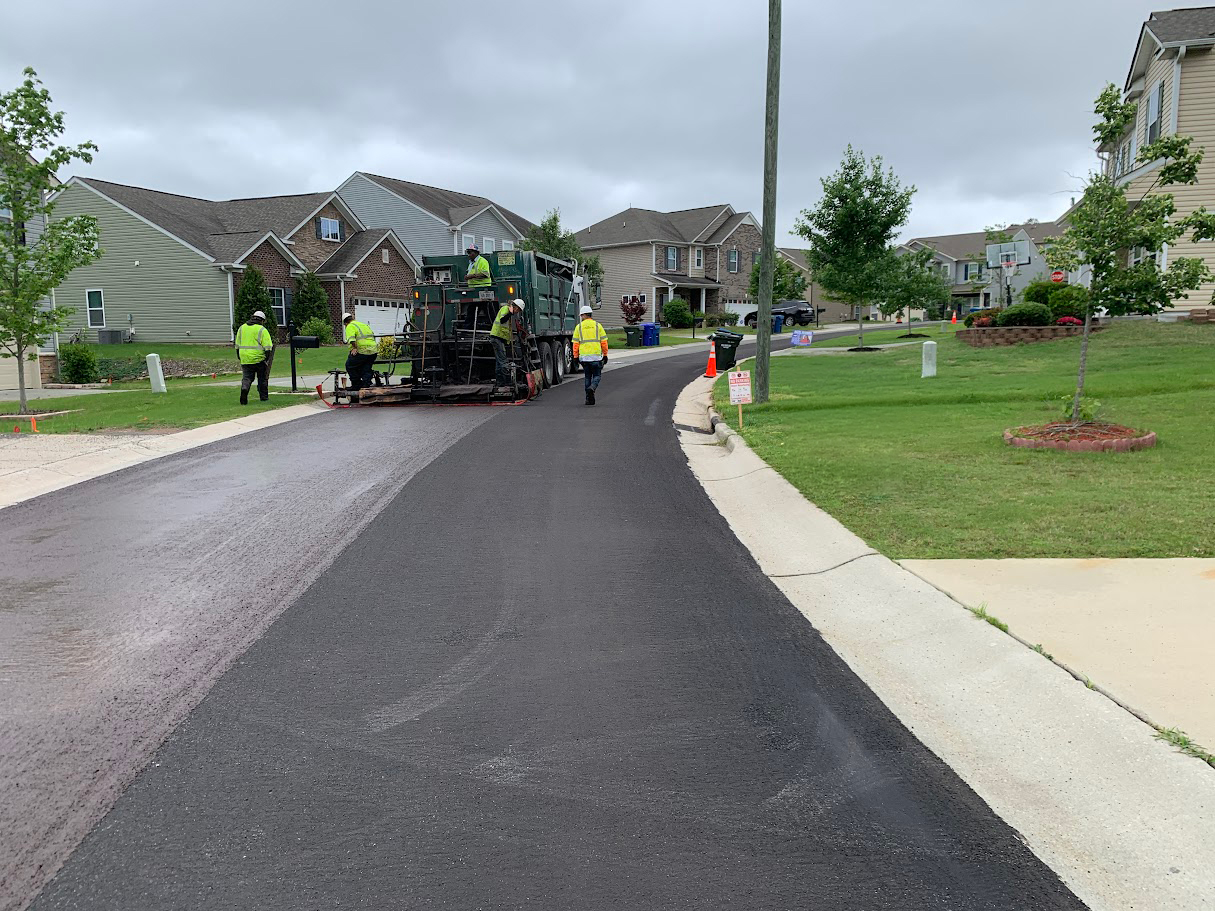
A crew applies micro surfacing on residential street
Logistics can make or break a project
Logistics often determine whether an urban preservation project succeeds or struggles. Limited space for stockpiling materials and staging equipment is a persistent challenge in dense areas. Successful contractors and agencies frequently rely on centralized staging areas – vacant lots, industrial parks, unused retail properties, or public agency facilities – that can serve multiple nearby projects. Material transport distances also matter. Preservation treatments such as slurry seals, micro surfacing, chip seals, and thin asphalt overlays depend on consistent material delivery and continuous operations. Long haul distances can disrupt production, compromise temperature control, and reduce overall surface quality, particularly for thin overlays that cool rapidly.
Urban geometry and existing infrastructure further shape construction practices. Narrow streets, curb lines, medians, and closely spaced intersections often require compact, highly maneuverable equipment. Small milling machines, mini pavers, and specialty rollers help reduce the risk of damage to curbs, drainage features, and utilities. Increasingly, machine control technologies and enhanced operator visibility are being used to improve accuracy and safety in confined work zones. Pre-construction surveys and coordination with utility owners are essential to identifying potential conflicts and protecting underground infrastructure.
Managing traffic and public access
Traffic control and access management are among the most visible aspects of urban pavement preservation. Lane closures, detours, and work zones must accommodate not only private vehicles, but also pedestrians, cyclists, transit riders, and emergency services. Maintaining access to businesses and residences is critical for public support. Many agencies rely on phased construction, off-peak work, temporary ramps, and clearly marked pedestrian routes to minimize disruption. Close coordination with transit agencies is particularly important to ensure bus stops are relocated safely and remain ADA-compliant.
Surface preparation in urban environments often extends beyond conventional crack sealing and patching. Traffic signal loops, existing pavement markings, drainage structures, and curb ramps frequently require special attention before surface treatments are applied. Protecting stormwater inlets and minimizing debris generation are also key environmental considerations, especially for emulsion-based treatments.
Building public trust through communication
Experience from the FHWA study reinforces that communication and coordination are as critical as technical execution. Case studies spanning Durham, North Carolina; San Diego and Roseville, California; Newton, Massachusetts; Austin, Texas; and the Minneapolis–St. Paul metropolitan region demonstrate that preservation programs are most successful when agencies invest in public outreach, educate elected officials, and coordinate closely across departments.
Ultimately, pavement preservation in urban environments requires adapting proven treatments to complex settings. By combining sound engineering, thoughtful logistics, and proactive communication, agencies can extend pavement life, reduce long-term costs, and maintain mobility. The FHWA initiative provides practical insights into both the challenges and successful strategies of urban pavement preservation.

Contact Adriana Vargas for more information about this research.