

Subteams

GRACE Project · Michigan State University
Dr. Yongsig Kim
About
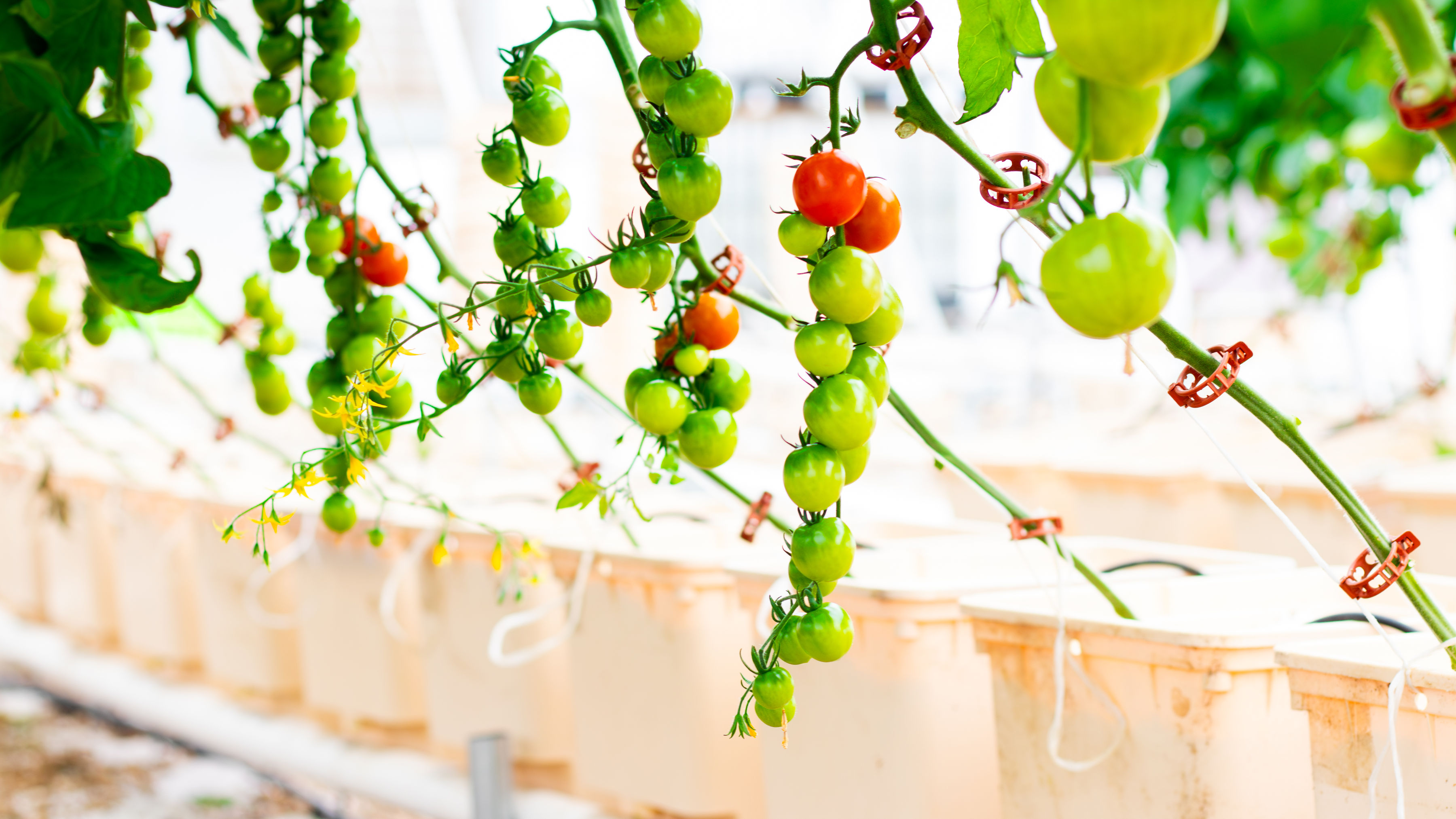
Dr. Kim's lab investigates low temperature resilience traits in tomato plants. Cultivated tomatoes require significant heating energy due to vulnerability to low nighttime temperatures, especially during cold seasons in CEA systems.
Using introgressed lines between the wild accession Solanum pennellii and cultivated tomato S. lycopersicum cv. M82, the lab identifies chilling tolerance traits to incorporate into domesticated tomatoes — improving energy efficiency and enabling climate-friendly CEA.
Accomplishments
- Determined appropriate phenotyping strategies using Dynamic Environmental Photosynthetic Imager (DEPI) analysis, fourteen growth-related measurements from juvenile to mature stages, photosynthetic efficiency and stomatal conductance measurement, and yield assessment at the final stage.
- Identified two candidate introgressed lines (ILs) by screening fifty genotype-confirmed ILs under warm or low nighttime temperature conditions.
Publications
- GeneStab — Software for identifying qPCR reference genes ↗ A Python-based tool for identifying and ranking candidate reference genes in qPCR experiments, featuring data preprocessing, stability metric calculation, aggregate gene stability scoring, and visualization with correlation analysis.
- Publication Title 2 ↗ Short description here.
- Project Website / Dataset ↗