

Subteams

GRACE Project · Auburn University
Dr. Brendan Higgins
About
Dr. Higgins conducts life cycle assessments to enhance climate control efficiency in Controlled Environment Agriculture, focusing on sustainability modeling and environmental impacts.
He is also developing an advanced wastewater treatment system for CEA irrigation — incorporating an algal-bacterial nitrifying reactor and UV disinfection — aimed at reducing freshwater usage, fertilizer consumption, and greenhouse gas emissions.
Accomplishments
- Developed Poultryponics, in which poultry processing wastewater is treated for fertigation of hydroponic lettuce — showing yields can rival traditional hydroponic media when deficient nutrients (K, Mg, Ca) are supplemented.
- No Salmonella, Campylobacter, or E. coli ever detected in Poultryponics lettuce across two years of production.
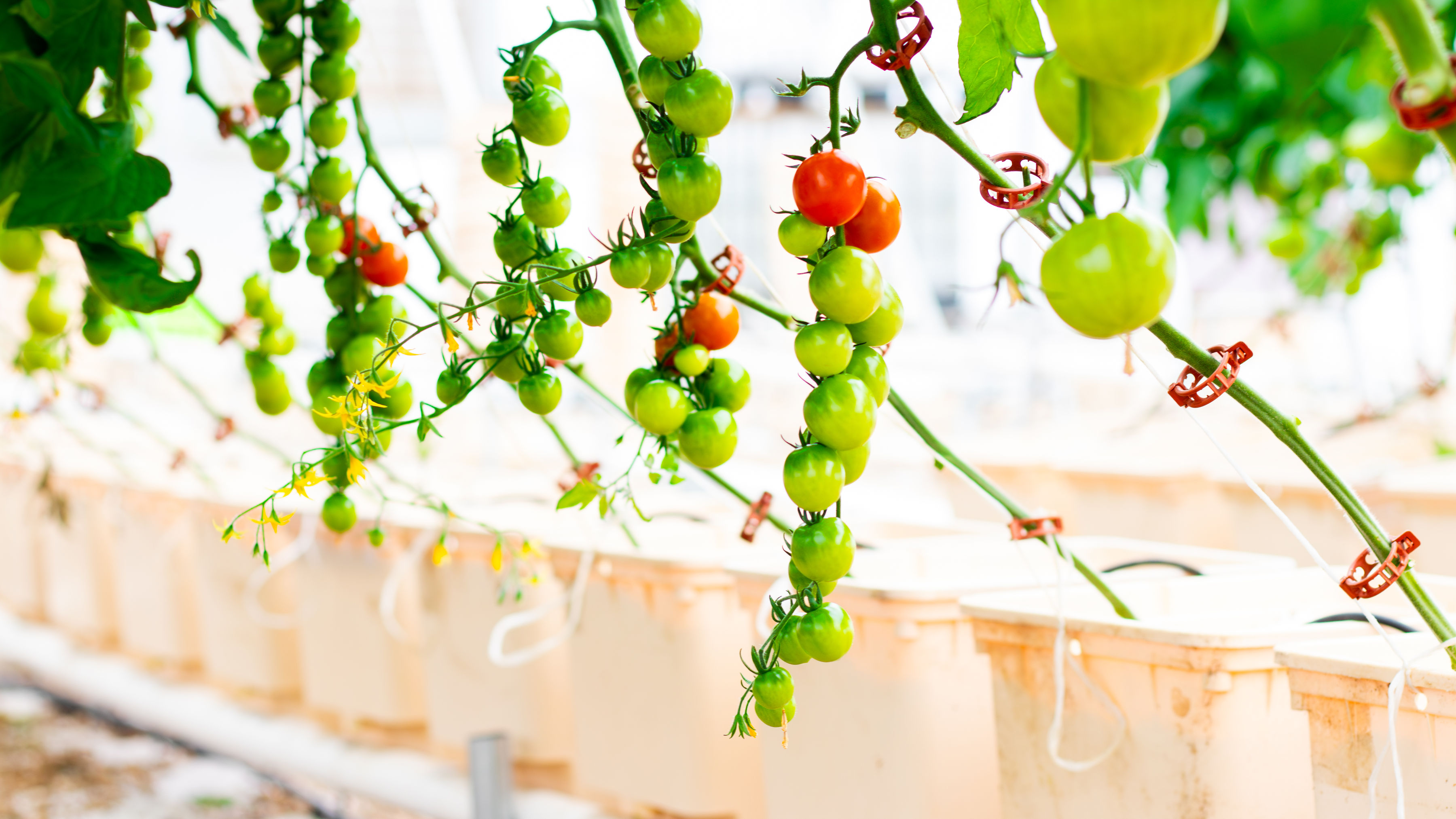
- Demonstrated that illuminating fish tanks in aquaponics increases fish yields without harming tomato production in substrate culture, despite algae growth.
Publications
- Pilot-Scale Evaluation of Poultryponics: Insights into Nitrogen Utilization and Food Pathogen Dynamics ↗ Evaluates different treatment strategies for poultry processing wastewater with the aim of growing hydroponic butter lettuce.
- Assessing nitrogen recovery in poultryponics for hydroponic lettuce production using treated poultry processing wastewater ↗ Poultryponics can grow lettuce effectively but with low nitrogen utilization efficiency; recommends larger-scale production and water recycling.
- Aquaponics design configuration impacts yield of tilapia and tomatoes ↗ Coupled operation and light penetration into fish tanks increased fish yields with no negative impact on tomato production.